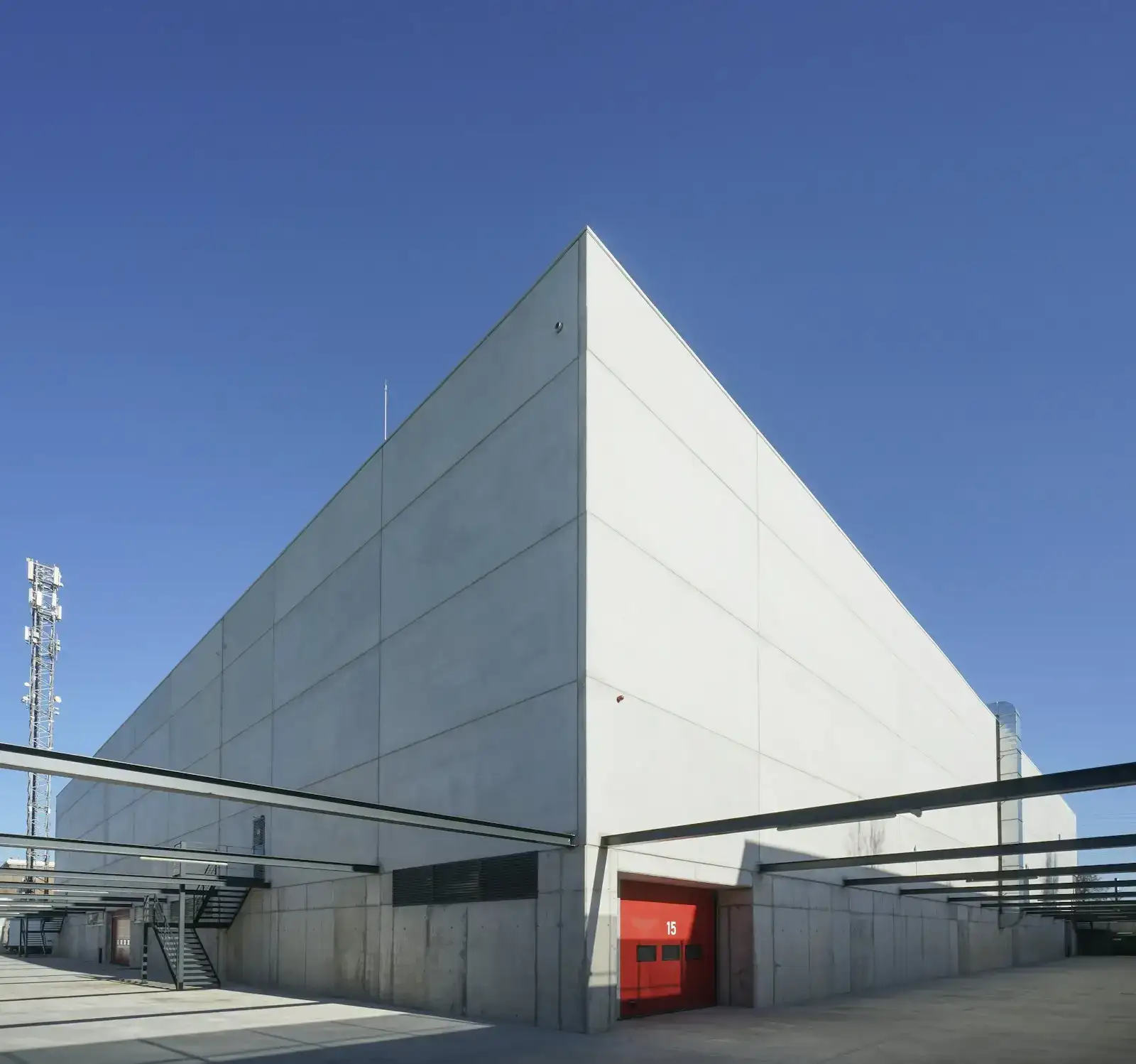
Any commercial building, anywhere in BC
This guide covers selling commercial real estate in British Columbia in general: industrial buildings, warehouses, agricultural and greenhouse properties, retail, mixed-use and special-purpose facilities, including but not limited to cannabis. Sean Phillips is licensed for all of British Columbia and sells commercial buildings of every type across the province, not only cannabis facilities and not only in the Okanagan.
Commercial sales differ from home sales in a few important ways. Buyers are usually businesses or investors with their own lawyers and advisers. The contract is normally a commercial form with negotiated schedules. Due diligence goes deeper, often into leases, environmental history, zoning and building systems. And taxes such as GST, which rarely apply to a used home, often apply to a commercial sale.
The main steps
- Get advice on structure early. Talk to your accountant and lawyer about whether to sell the property or the company that owns it, and about GST, capital gains and recapture. See taxes when selling commercial property in BC.
- Assemble your documents. The checklist below is a starting point. Missing permits or reports are easier to deal with before a buyer finds the gap.
- Set a price strategy. Use sales evidence, the income the property earns or could earn, and, for special-purpose buildings, an appraisal. See valuing a cannabis facility for how appraisers approach specialised property.
- Sign a listing agreement and prepare marketing. Commercial marketing typically combines a listing on the REALTOR® systems, a property brochure or information package, direct outreach to likely buyers and investors, and a confidentiality agreement for sensitive information such as leases and financials.
- Negotiate the offer. Price is only one term. Deposit, conditions, due diligence period, completion date, what is included (equipment, fixtures, inventory) and GST treatment all matter.
- Manage due diligence. Provide documents promptly and track condition deadlines. This is where most unexpected issues surface, so a prepared seller has an advantage.
- Conditions removed, then completion. Once the buyer removes conditions the deal is firm. Lawyers or notaries handle the transfer, adjustments and payout of any mortgages on completion.
Documents to gather
- Title and chargesA current title search and copies of registered easements, covenants and rights of way.
- Permits and approvalsBuilding permits, occupancy permits and any development or variance permits.
- Zoning and land useCurrent zoning, any non-conforming use status, and Agricultural Land Reserve status. See zoning and local government and ALR and farm classification.
- Leases and tenancyAll leases, amendments, rent roll, deposits and any tenant disputes.
- Operating costsProperty tax notices, BC Assessment notices, insurance, utilities and service contracts.
- Building informationPlans, recent building condition or roof reports, and records of major repairs and system upgrades.
- Environmental informationAny Phase I or Phase II environmental site assessments, and information about past uses that may trigger a site disclosure statement (below).
- Equipment listWhat is included in the sale and what is excluded.
The contract and due diligence period
Commercial sales in BC commonly use a commercial contract of purchase and sale rather than the residential form. Gowling WLG describes the BC standard commercial form as developed jointly by the BC Real Estate Association and the Canadian Bar Association (BC Branch), and points out some limits of the form on its own: it does not list closing documents, does not give the buyer a right to inspect by default, and contains no environmental representations or warranties. It also prohibits assignment without the seller's written consent (Gowling WLG, May 2022). In practice, lawyers often add schedules covering due diligence, representations, closing deliveries and environmental matters.
The due diligence period, deposit amount and completion date are negotiated, not fixed by law. Longer periods are common for special-purpose, agricultural or tenanted properties, and for buyers who need lender approval, rezoning information or regulatory approvals. Sellers should make sure conditions are specific, have firm deadlines, and say what happens to the deposit if the buyer does not proceed.
GST is usually addressed in the contract, because a sale of commercial real property is generally taxable and a GST-registered buyer normally self-assesses (CRA). The buyer pays BC property transfer tax on registration (gov.bc.ca).
Seller disclosure and misrepresentation
BC real estate law has traditionally started from "buyer beware," meaning buyers are responsible for their own due diligence. That principle has limits. The BC Real Estate Association explains that sellers must disclose known latent defects that cannot be found on a reasonable inspection and make the property dangerous or uninhabitable, and that anything a seller does say about the property must be accurate. Completing a property disclosure statement is optional, but once completed it is likely to be relied on by the buyer, and misleading answers expose the seller to liability (BCREA Legally Speaking #589, Oct 2025).
Real estate licensees have their own duty. Under section 59 of the Real Estate Services Rules, a licensee acting for a seller must disclose known material latent defects, which include defects that make the property unfit for a purpose the buyer has made known, defects that would be very expensive to fix, circumstances a local government has given notice must be remedied, and "a lack of appropriate municipal building and other permits" (Real Estate Services Rules, s. 59). If a seller instructs the licensee not to disclose, the licensee must stop providing services to that seller (BCFSA).
For commercial property, this means unpermitted work, known leaks or structural problems, and outstanding municipal orders are better dealt with openly. Ask your lawyer how to handle representations and any "as is" wording in your contract.
Site disclosure statements under the Environmental Management Act
BC has a specific environmental disclosure rule for commercial and industrial land. Under section 40(6) of the Environmental Management Act, a vendor of real property must provide a site disclosure statement to a prospective purchaser "if the vendor knows or reasonably should know that the real property has been used for a specified industrial or commercial use." The specified uses are listed in Schedule 2 of the Contaminated Sites Regulation.
The Contaminated Sites Regulation sets the details. Generally, the statement must be provided at least 30 days before the actual transfer of the property (s. 3.3). A vendor is exempt if the vendor has no ownership interest, if the prospective purchaser waives the entitlement in writing, or if, at the time of the contract, the property is used primarily for residential purposes or has never been zoned for anything other than primarily residential use (s. 4.6). Bennett Jones notes that because the list of triggering uses is broad, sellers commonly seek a written waiver from buyers (Bennett Jones, Feb 2021).
A waiver removes the obligation to deliver the statement; it does not change the property's environmental condition or the buyer's likely interest in it. Whether a past use falls under Schedule 2 is a question for an environmental consultant or lawyer. See environmental and building due diligence.
Disclosure duties, environmental rules and contract wording depend on the property's history and the deal. A BC real estate lawyer should review your contract and disclosure approach before you accept an offer.
How long it takes
There is no standard timeline. Time on market depends on the property type, location, price and how many active buyers there are for that kind of building. Once an offer is accepted, the conditional period and completion date are whatever the parties agree. Factors that commonly lengthen a commercial sale include:
- Special-purpose buildings with a small pool of buyers, including cannabis facilities.
- Buyer financing for specialised or agricultural property. See financing cannabis real estate.
- Environmental investigations, especially where Phase II testing is needed.
- Tenant issues, such as estoppel certificates, disputes or a tenant exiting. See tenant exit and decommissioning.
- Zoning, ALR or local government questions about the buyer's intended use.
- Regulatory approvals, for example in a sale of a licensed cannabis facility. See selling a licensed facility.
Property class can also matter to buyers' plans. BC Assessment places property in one or more of nine classes, from Light Industry and Business and Other to Farm (BC Assessment), and a change of use can change the class and the property tax bill.
How Sean can help
Sean Phillips is a REALTOR® with Coldwell Banker Executives Realty in Vernon, licensed across British Columbia. He sells industrial, warehouse, agricultural, greenhouse, retail, mixed-use and cannabis properties throughout the province, and works alongside your lawyer, accountant and environmental consultant. For special-purpose buildings, paid consulting such as a remote video assessment or on-site viability assessment is available and quoted per site. See consulting, facility types, or contact Sean to talk about your property.