The three approaches to value
Appraisers value commercial property using three standard methods, and a cannabis facility is no exception. The difference is that, for a purpose-built grow or processing building, the three methods often point to very different numbers.
- Direct comparison: estimates value "by comparing it with the sales of similar properties" (Property Assessment Appeal Board). For cannabis facilities, truly comparable arm's-length sales are scarce, and many recent sales are distressed or involve related parties.
- Income: estimates value "based on the income it can generate, its earning potential" (PAAB). A facility leased to a creditworthy tenant on a signed lease can be valued on that rent. A vacant facility has to be valued on the rent a new tenant would realistically pay, which is often well below what the original tenant paid.
- Cost: estimates what it would cost to replace the land and improvements, less depreciation for age, wear and "any loss in utility from other factors" (PAAB). The Appraisal Institute of Canada describes the same approach as replacement or reproduction cost less physical, functional and external depreciation (AIC).
PAAB notes the cost approach is often used for properties that do not commonly trade or are special purpose. That is one reason owners are sometimes surprised: a cost figure can look reasonable on paper while the market is paying much less.
Which approach carries the most weight
It depends on the property and the purpose of the valuation. For a leased facility, the income approach usually leads, and the key questions are how secure the rent is and what the building would earn if the tenant left. For a vacant facility, appraisers lean on whatever sales evidence exists, including sales of greenhouses, food-processing plants and industrial buildings that a likely buyer would also consider. The cost approach is most useful as a ceiling and as a way to measure how much of the original investment the market will not pay for.
Specialised improvements and functional obsolescence
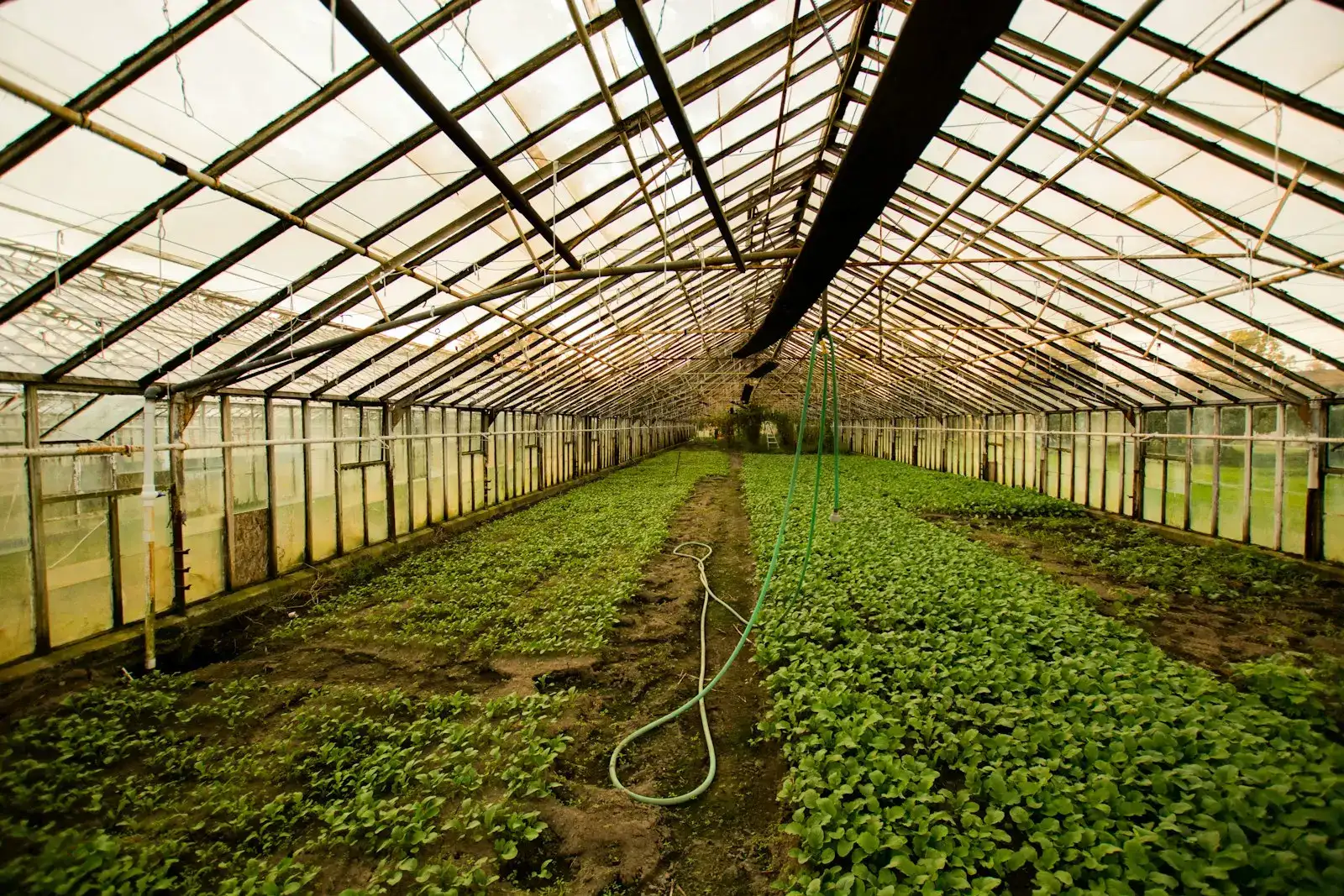
A licensed grow facility carries improvements that most buyers outside the cannabis industry do not need: security perimeters and cameras, controlled-access zones, vaults, heavy dehumidification and HVAC, sealed grow rooms and sometimes clean-room finishes. When the building sells to a non-cannabis user, some of those improvements add little value and some cost money to remove. In appraisal terms, that loss of usefulness is functional obsolescence, and it is deducted from replacement cost.
Other features carry over well. Power capacity, insulated envelopes, clear height, loading, water and wastewater capacity, and industrial zoning all appeal to food processors, greenhouse growers, cold storage and light-industrial users. The former Prairie Plant Systems/CanniMed site in Saskatoon, which Aurora closed in 2020, is now being presented as a potential AI data centre, with marketing emphasizing its reinforced concrete construction and power infrastructure (StratCann, Oct 2025). StratCann has also documented former cannabis facilities in Canada converted to vegetables, mushrooms and other uses (StratCann, Mar 2026). For conversion options, see repurposing a cannabis facility.
Recent Canadian facility sales
These are publicly reported transactions. Each has its own circumstances (licence status, condition, seller motivation, related parties), so treat them as context, not comparables for any specific property.
| Date | Facility | Reported size | Reported price | Notes |
|---|---|---|---|---|
| Feb 2026 (announced) | Decibel, Creston, BC | 26,000 sq ft | $2.5 million | Subject to standard closing conditions; closing expected April 2026; proceeds to repay debt (StratCann) |
| Jun 2025 (closed) | MediPharm to Rubicon Organics, Hope, BC | 47,500 sq ft indoor cultivation | $4.5 million cash | Asset sale; MediPharm had ceased commercial activity there in 2024 (StratCann, MediPharm) |
| 2023 | Canopy Growth, Hershey Drive, Smiths Falls, ON | Not reported in source | $53 million | Sold back to Hershey Canada (MJBizDaily) |
| Jul 2023 | Aurora Sun, Medicine Hat, AB | About 238,000 sq ft built of 1.63 million planned | Up to $15 million, contingent | Sold to Bevo Farms, in which Aurora held a controlling interest, so not an arm's-length price (StratCann) |
| May 2020 | Aurora, Exeter, ON greenhouse | 1 million sq ft on 164 acres | $8.6 million net | Asking price was about $17 million; bought for $26 million in 2018; never fully licensed (MJBizDaily) |
The two BC sales work out to roughly $95 to $96 per square foot of reported building or cultivation area ($2.5 million over 26,000 sq ft; $4.5 million over 47,500 sq ft). That is simple arithmetic on reported figures, not an appraisal, and it includes land, building and whatever equipment was in each deal.
Why sale prices sit far below build cost
MJBizDaily attributes the wave of Canadian facility closures to overproduction after legalization, plunging prices for low- to mid-quality products, higher operating costs and excessive debt. It reported in November 2023 that licensed indoor and greenhouse cultivation space had fallen from a peak of 23.9 million sq ft in mid-2020 to 16.3 million sq ft by March 2023, about one-third taken offline, and that SNDL had closed a $100 million facility in Olds, Alberta (MJBizDaily). When the Aurora Sun greenhouse was first offered in 2021, MJBizDaily reported about $260 million had been spent on it (MJBizDaily, Mar 2021).
The result is a market where buyers pay for what the building is worth to them now, not what it cost to build. For a cannabis buyer, that is influenced by the regulated market's economics. For a non-cannabis buyer, it is the value of the shell and systems for their use, minus conversion cost. Sellers who price from their construction budget usually wait a long time.
What moves value up or down
- Licence statusHealth Canada licences are site specific and generally not transferable (Health Canada). A licence adds value mainly through a share sale of the licence holder; in an asset sale the buyer gets a building with a compliance-ready layout, not a licence. See selling a licensed facility.
- PowerAvailable electrical service, and what it costs to upgrade, matter to growers, processors and data or cold-storage users.
- HVAC and building systemsCondition, age and whether the systems suit a new use.
- Location and zoningWhether local zoning permits cannabis production and other likely uses. See zoning and local government in BC.
- Agricultural Land ReserveALR status limits non-farm uses and affects who can buy and what they can do. See ALR and farm classification.
- Environmental and building conditionUnknown conditions widen buyer discounts. See environmental and building due diligence.
- LeasesA signed lease with a reliable tenant supports an income valuation; a vacant building does not. See leasing to a cannabis tenant.
Appraisals and BC Assessment values
For commercial and agricultural property, the relevant designation is the AACI from the Appraisal Institute of Canada. The AIC says the AACI covers "all property types, including land, agricultural properties, machinery and equipment, as well as commercial and residential buildings," while its CRA designation is limited to residential property (AIC). AIC members work under the Canadian Uniform Standards of Professional Appraisal Practice (CUSPAP) (AIC).
A BC Assessment value is not an appraisal of what your facility would sell for today. Assessments estimate market value as of July 1 of the preceding year (BC Assessment) and reflect the property's condition as of October 31 of that year (gov.bc.ca). BC Assessment also states that cannabis production does not qualify for farm classification, effective the 2019 assessment roll, though properties with separate farm uses may be split-classified (BC Assessment).
Replacement cost, assessed value and market value are three different numbers. For a decision about price, financing or a court process, get an appraisal from a qualified AACI appraiser, and test it against what buyers are actually paying.
How Sean can help
Sean Phillips, REALTOR® with Coldwell Banker Executives Realty, is licensed across British Columbia and has worked on more than 276 Health Canada licence applications since 2014 as a site-evidence and licensing-readiness consultant. He can prepare a market analysis for listing purposes, identify cannabis and non-cannabis buyer pools, and work alongside your appraiser. Paid consulting, including remote video and on-site viability assessments, is quoted per site. See selling a cannabis grow facility, consulting, or contact Sean.